Waste and Circular Infrastructure Plan
The NSW Waste and Circular Infrastructure Plan will guide decision-making and investment in critical waste infrastructure.

EPA hits Remondis with penalties over Awaba odours
Remondis Australia Pty Ltd has been fined $42,000 following persistent odour issues at its organics resource recovery facility near Awaba.

Ditch Dangerous Disposals – EPA launches problem waste campaign
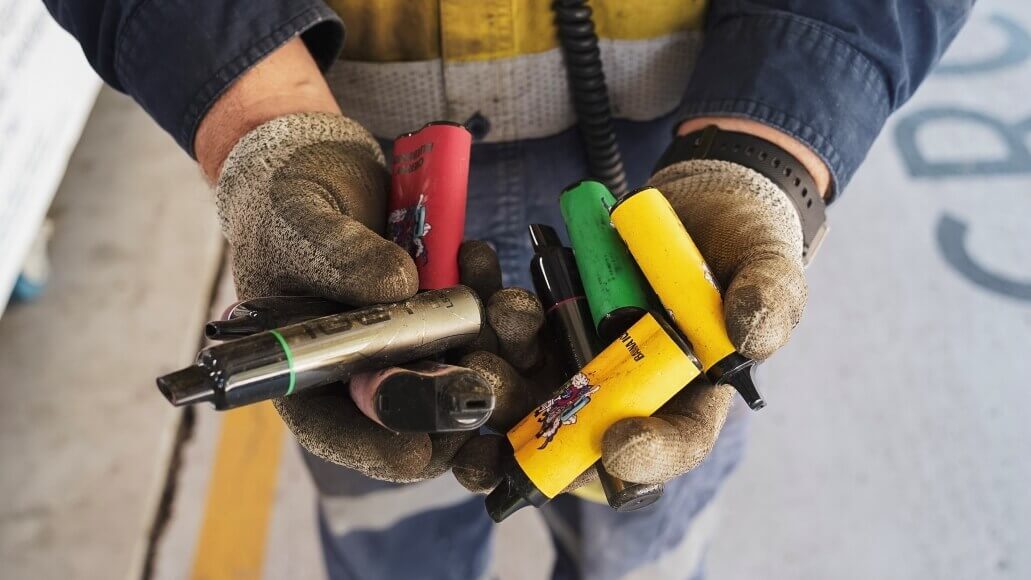
The NSW EPA has launched a year-long awareness campaign to help households safely dispose of problem waste and protect the environment, waste workers and local communities.
Cadia mine expert health advisory panel
The EPA acknowledges the release of findings from the Cadia Mine Expert Health Advisory Panel's investigation into the potential health risks of dust exposure which found no definitive evidence of health impacts from heavy metal exposure among volunteers who were assessed.
Regional landfill sites get nearly $6 million revamp
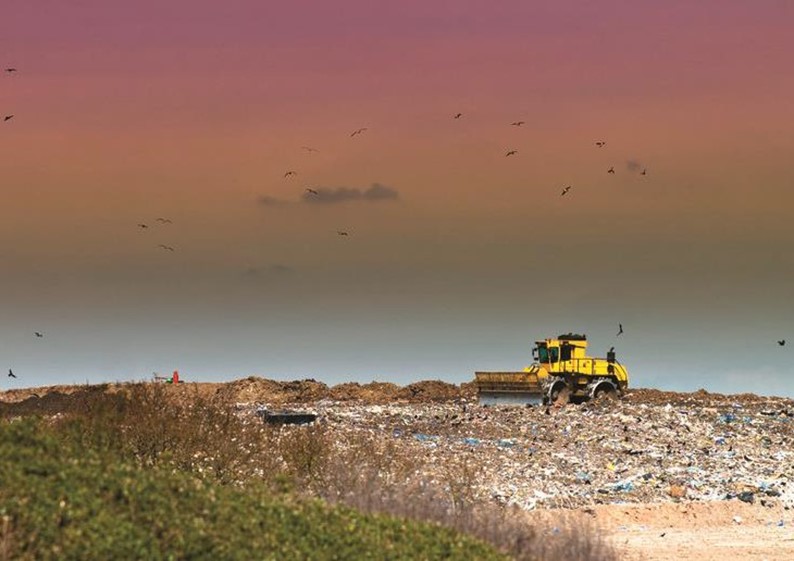
Dozens of landfill sites across regional NSW will be modernised, closed or improved following a $5.9 million investment to upgrade waste infrastructure and reduce environmental risks.
Have your say on new testing and reporting requirements for biosolids
The EPA is seeking feedback on changes to the regulation of land-applied biosolids.

Changes to the regulation of radiation
Changes were made to NSW radiation protection laws in August 2025.
EPA investigating second poisoning of Brush Turkeys
The EPA is investigating the poisoning of around 10 native Brush Turkeys at Safety Beach near Coffs Harbour, the second such incident in just two years.