Engaging with young people
We’re committed to building relationships with young people and making sure their voices are reflected in our work to protect the environment. Our goal is to create opportunities for young people to be involved and to build understanding of our programs.
Our approach
We take a proactive, inclusive and respectful approach to youth engagement. We listen, collaborate and act – ensuring young people are meaningfully involved in decisions that affect them and their communities.
Our engagement is guided by principles of accessibility, transparency and shared learning.
Why it matters
NSW is home to more than 1.3 million young people aged 10–22 years living in our cities, regional towns and rural areas. As environmental risks become more prevalent and better known, we want to connect with the youth of today. As tomorrow’s leaders, they can help us create the right environmental and human health behaviours for the future.
Why engaging with young people matters:
- We want to build intergenerational equity into our decision-making.
- Young people make up nearly a quarter of the NSW population.
- Historically, most EPA engagement has not specifically targeted young people.
- Young people can be strong influencers in the home.
- Young people deserve a voice on issues that matter to them.
Our principles for engagement
We want to make sure that our engagement with young people is genuine and meaningful. We will align with the principles set out in the United Nations guidelines for Meaningfully Engaging with Youth endorsed by the Interagency Network on Youth Development.
| Value | Action |
|---|---|
| Safe | We will ensure the physical and emotional security of the young people we engage. We will always follow NSW Government procedures as well as child protection rights and responsibilities for young people under the age of 18. |
| Respectful | We will respect young people as contributors, innovators and knowledge-holders on the basis of their perspectives and experiences. |
| Valued | We will value young people’s capacities and contributions as we value those of adults. We will encourage young people to express views and ideas freely. |
| Inclusive | We will provide equal opportunities for all, regardless of cultural and social backgrounds, education, religion, gender, disability, sexual orientation, context, political and economic status or other characteristics. We will provide opportunities for traditionally underserved young people to engage, including those not members of any structures. Where relevant, we will encourage engaged young people to self-organise in inclusive, democratic structures that are informed by diverse views and experiences. |
| Voluntary | We will give young people the opportunity to choose the most appropriate area or form of engagement, or to discontinue at any stage of the process. |
| Transparent | We will clearly set expectations at the outset. |
| Informative & accountable | We will provide engaged young people with clear, accessible, diversity-sensitive and age-appropriate information about their role. We will explain to young people how their inputs are used, interpreted and have influenced outcomes with transparency, establishing a communication feedback loop. |
| Youth friendly | We will invest in youth-friendly and age-appropriate environments, processes, mechanisms and materials. For example, we will use participatory and inclusive methodologies and tools to support youth engagement. We will ensure there are adequate time and resources. |
| Supportive | We will enable young people to build their own capabilities. We will pay special attention to the capacity needs of young people and the organisations and networks that work with them |
| Advocative | We will encourage people engaging with young people to value and adopt the principles of meaningful engagement. We will challenge unequal power dynamics between young people and others. |
How we engage
Our approaches to engaging young people align with our draft Engagement Framework and the International Association for Public Participation's IAP2 Public Participation Spectrum.
- Inform and educate
- Consult and involve
- Collaborate and empower.
What we are doing
We’re taking practical steps to make youth engagement real and impactful:
- working closely with the NSW Youth Advocate to amplify young voices
- meeting with young people and listening to their ideas and concerns
- speaking at youth-focused events to share information and build connections
- seeking feedback in consultations to ensure decisions reflect youth perspectives
- supporting youth-led initiatives that promote environmental action
- providing learning resources for schools on the Return and Earn program and Love Food Hate Waste program, Lunch out Loud
- using social media to share opportunities and celebrate contributions.
| Age | Life stage | Guidance for engagement |
|---|---|---|
| 10-12 | Primary education/ transition |
|
| 13-17 | Secondary education |
|
| 18-22 | Tertiary education and young workers |
|
Building on past success
The Youth Advisory Council (2022–2024) played a valuable role in shaping our approach. Its members provided insights, challenged our thinking and helped us understand the environmental concerns of young people across NSW. While the Council is no longer active, its contributions continue to inform our work and future initiatives.
Environment Youth Advisory Council (2022-24)
From 2022–2024, we ran our first Environment Youth Advisory Council to gather input from young people aged 15–22 on a range of environmental issues. Their perspectives helped shape our Youth Engagement Strategy and supported our efforts to better include young people’s views in environmental decision making.
The council aimed to:
- provide insights into the views of young people across NSW, so our policies and programs reflect their experience and concerns
- give members the opportunity to learn about the role of the EPA and contribute to policy, program design and social media content
- support the development of our broader Youth Engagement Strategy
- share EPA educational content with their communities.
The council brought together 12 young people from across NSW, representing a diverse mix of backgrounds and experiences. Members came from regions including Northern Sydney, Western Sydney, Inner Sydney, the Blue Mountains, Young, Albury, Mudgee and the Central Coast.
Members met 3 times a year, online and in person, to discuss environmental issues and provide advice to the EPA on policies and projects that matter to young people in NSW.
We’re reviewing the outcomes of our first youth advisory council and exploring opportunities for continued youth involvement and a future Environment Youth Advisory Council.
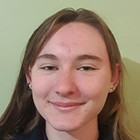
Chevelle-Rose McCrohon
Chevelle, from Mudgee, Central West NSW, identifies as non-binary and as a First Nations person. Chevelle has been a member of the Mid-Western Regional Youth Council since May 2022 and is most interested in climate change, behaviour change and legislation.

Emily Rose
Emily is from Copacabana, Central Coast. She has been a member of her local surf lifesaving club since 2013, and has been a member of the Junior Lifesaver of the Year Youth Group since February 2022. Emily is most interested in water quality, waste management and behaviour change.

Evan Ademovic
Evan is from Minchinbury, Western Sydney. He is studying Economics at Macquarie University, and has been a member of the Blacktown Council Youth Advisory Committee for 3 years. Evan is most interested in agriculture and grazing, industry and legislation.
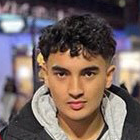
Jaleel Albaf
Jaleel is from Young NSW. He is a high school student attending Young High School, and has been a member of the Young High School Leadership Team for 12 months. Jaleel is most interested in forestry, waste management and behaviour change.
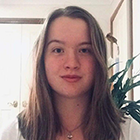
Jasmine Cook
Jasmine, from Falconbridge, Blue Mountains, attends St Columba’s Catholic College, and has been a member of the Blue Mountains Youth Council for 18 months. Jasmine is most interested in climate change, behaviour change and legislation.
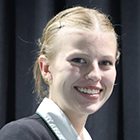
Jessica Muir
Jessica is from Dee Why, Northern Sydney. She is a high school student and Vice-Captain attending Mater Maria Catholic College, and has also been a member of the Northern Beaches Youth Advisory Group for 12 months. Jess is most interested in waste management, climate change and behaviour change.

Joshua Fernandez
Joshua attends Corpus Christi College Maroubra, Sydney where he is Vice Captain. Josh has been a part of Coogee Surf Club since 2011, and serves on both the Club and Sydney Branch Youth Advisory Committees. Josh is most interested in water quality and legislation.
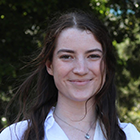
Lily-Anne Chapman
Lily-Anne grew up in Broken Hill NSW and now lives in Stanmore, Sydney. She is a university student studying an Environmental Science degree at the University of New South Wales. Lily-Anne is most interested in water quality, biodiversity and climate change.

Lotte Weber
Lotte is from Katoomba, Blue Mountains. She has been a member of the Blue Mountains City Youth Council for four years and is currently studying International Relations at the Australian National University. Lotte is most interested in industry, behaviour change and communication.

Nabilah Chowdhury
Nabilah is from Ashfield, Sydney. She has been involved in various youth councils and groups such as Jane Goodal National Youth Leadership Council, Yatz leader Taronga Zoo, Australian Wildlife Society, Australian Youth Affairs Coalition, Junior Chamber International, UNYouth, School strike 4 climate, NSW Young Parliament, Australian Youth Climate Coalition. Nabilah is a Bengali speaker, and is most interested in climate change, air pollution and conservation.

Nicholas Chambers
Nicholas is from Cromer, Northern Sydney. He is studying Environment and Law at Macquarie University, and is a member of the Northern Beaches Council Youth Advisory Group. Nick is most interested in waste management, climate change and legislation.
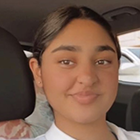
Tamanna Anand
Tamanna is from Lidcombe, Sydney. She is a high school student attending Santa Sabina College, and has also been a member of the Strathfield Youth Group since the beginning of 2022. Tamanna is most interested in waste management, climate change and air pollution.