Hawkesbury-Nepean River clean-up program
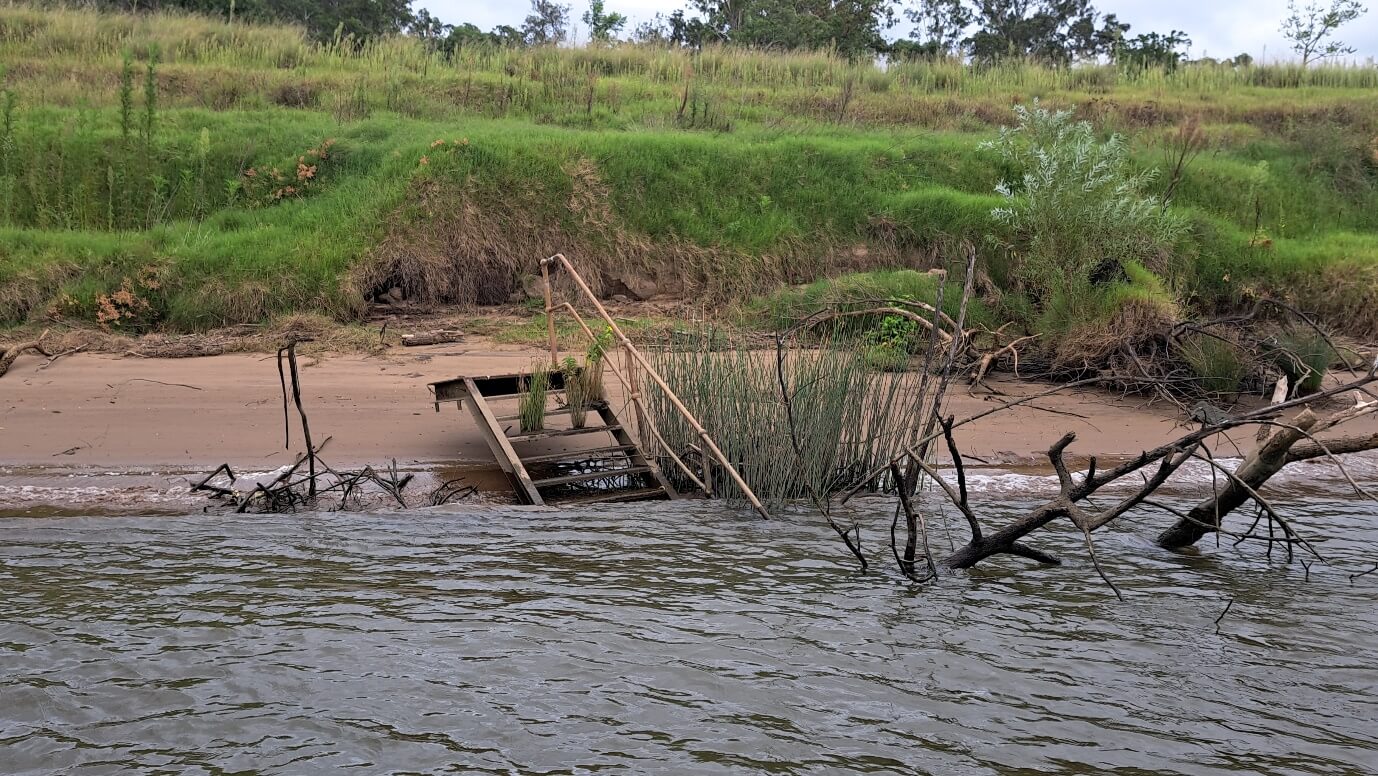
The EPA coordinated the clean-up of flood-generated debris across the Hawkesbury-Nepean River system after severe weather in April 2024, reducing risks to the environment, river users and community safety.
The clean-up focused on flood-generated debris greater than 1 cubic metre and targeted both natural and human-made debris within the Hawkesbury-Nepean River in the disaster-declared local government areas identified in AGRN 1119 (Natural disaster declaration areas).
Funding for this work was provided through the joint Commonwealth–State Disaster Recovery Funding Arrangements (DRFA) and was developed in partnership with the NSW Reconstruction Authority.
How the clean-up was delivered
- Aerial surveillance identified flood-generated debris.
- Water-based surveys were used to confirm debris locations and risks
- Priority debris posing environmental, navigation and safety risks was targeted
- Debris was removed, sorted and transported for recycling or disposal
- The clean-up was completed after 7 months of operations.
Debris removed from the river
Flood debris was removed using vessels, including specialised equipment and manual methods. Where required, debris was transported to temporary staging areas for safe storage before being recycled or disposed of. Recovered materials were sorted by type to maximise opportunities for reuse and recycling and minimise the amount of waste sent to landfill.
Human-made debris removed from the Hawkesbury-Nepean River included chemical containers, silage bales, building materials, oil and fuel containers, gas bottles, plastic drums, treated timber, water tanks, metal sheeting, furniture, trailers, tyres and destroyed oyster equipment.
Total debris removed:
| Debris type | Amount collected (cubic metres) |
|---|---|
| Human-made debris | 466 |
| Woody debris | 256 |
| Total | 722 |
This program built on successful EPA-led river clean-up programs delivered following the 2021 and 2022 East Coast floods. These programs removed over 10,000 cubic meters of debris from the river’s shoreline and underwater, helping to protect the environment and support community recovery.